

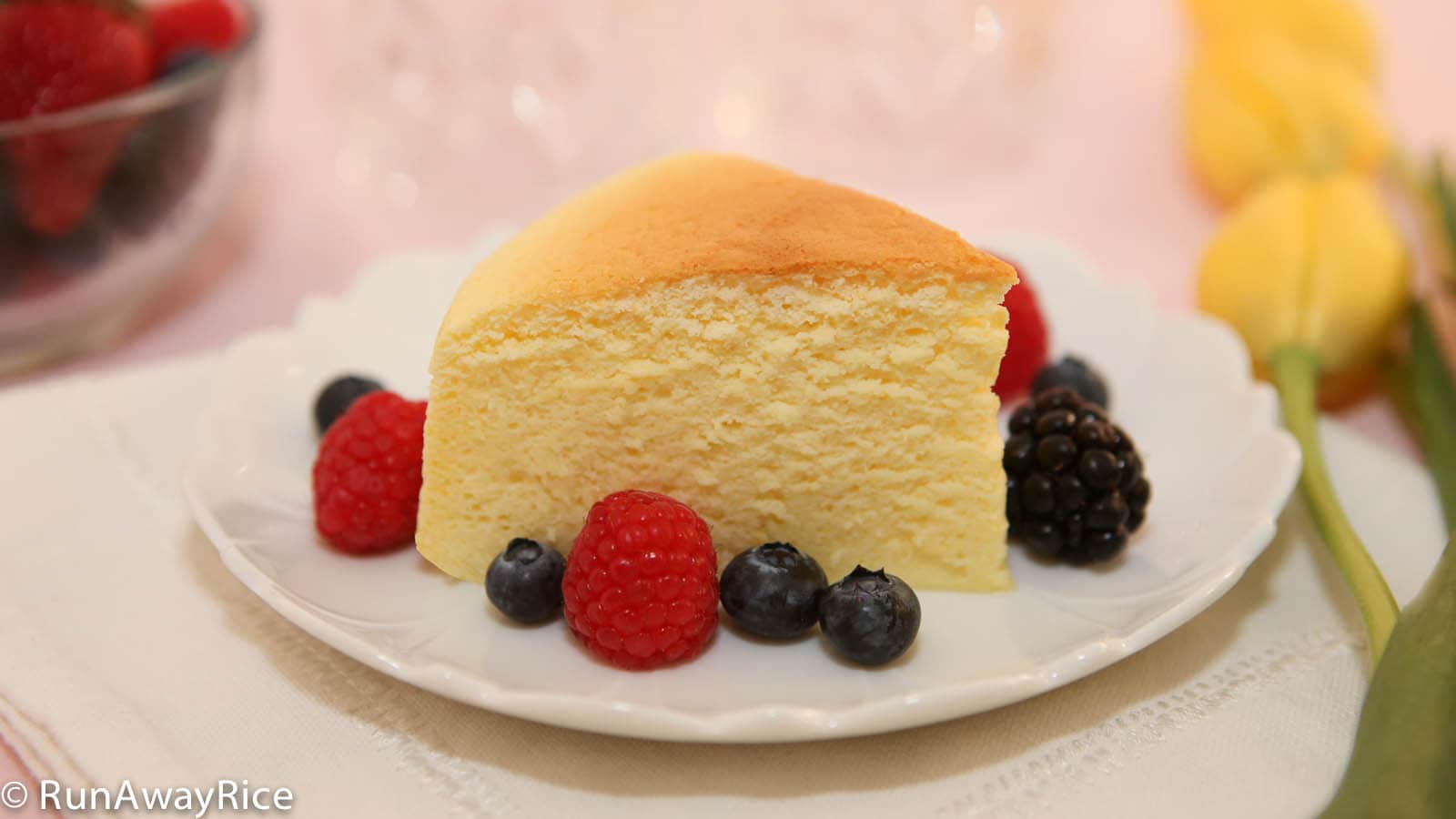
Cotton Cheesecake / Japanese Cheesecake is my new favorite dessert and after you try this recipe, it will become your favorite too! It’s the perfect combination of sponge cake and cheesecake in both taste and texture. What I love about this scrumptious cake is it’s not overly sweet as some cakes can be. The combination of fluffy cake with slightly tart cream cheese is absolutely heavenly. I hope you enjoy this Cotton Cheesecake / Japanese Cheesecake recipe as much as I do. Please note this recipe can be a bit tricky. Watch the video and follow the steps exactly. Happy Baking!
Watch the video for instructions.

Notes on the Cotton Cheesecake Recipe, Tips and Tricks
As the cream cheese, eggs and butter need to be at room temperature, advanced planning is required. About 2 hours before making the cake, remove the cream cheese and butter from the refrigerator. About 1 hour before, take the eggs out of the fridge. The cream cheese and butter should be soft and spreadable for this recipe. If the ingredients are not quite ready, pop them in the microwave on Low power for about 15-20 seconds.
Eggs are easiest to separate when they are cold. Egg whites are best beaten at room temperature to achieve the fluffiest texture. Separate the eggs while they are cold and then let them come to room temperature as you prep the remaining ingredients for the recipe.
Use an 8 inch by 3 inch round springform pan. Line the pan so the parchment paper extends about 2 inches above the pan. The parchment paper wall provides support since the cake rises to about 3 inches tall during baking. Keep the paper to no more than 5 inches tall. Too much paper will prevent the top of the cake from browning nicely.
The water bath is essential for keeping the cake moist. As the cake bakes for longer than the typical cake, the water bath is crucial. Additionally, the water bath insulates the cake and allows it to bake at a consist temperature. These factors are important for achieving the fluffy and moist texture for the cake.
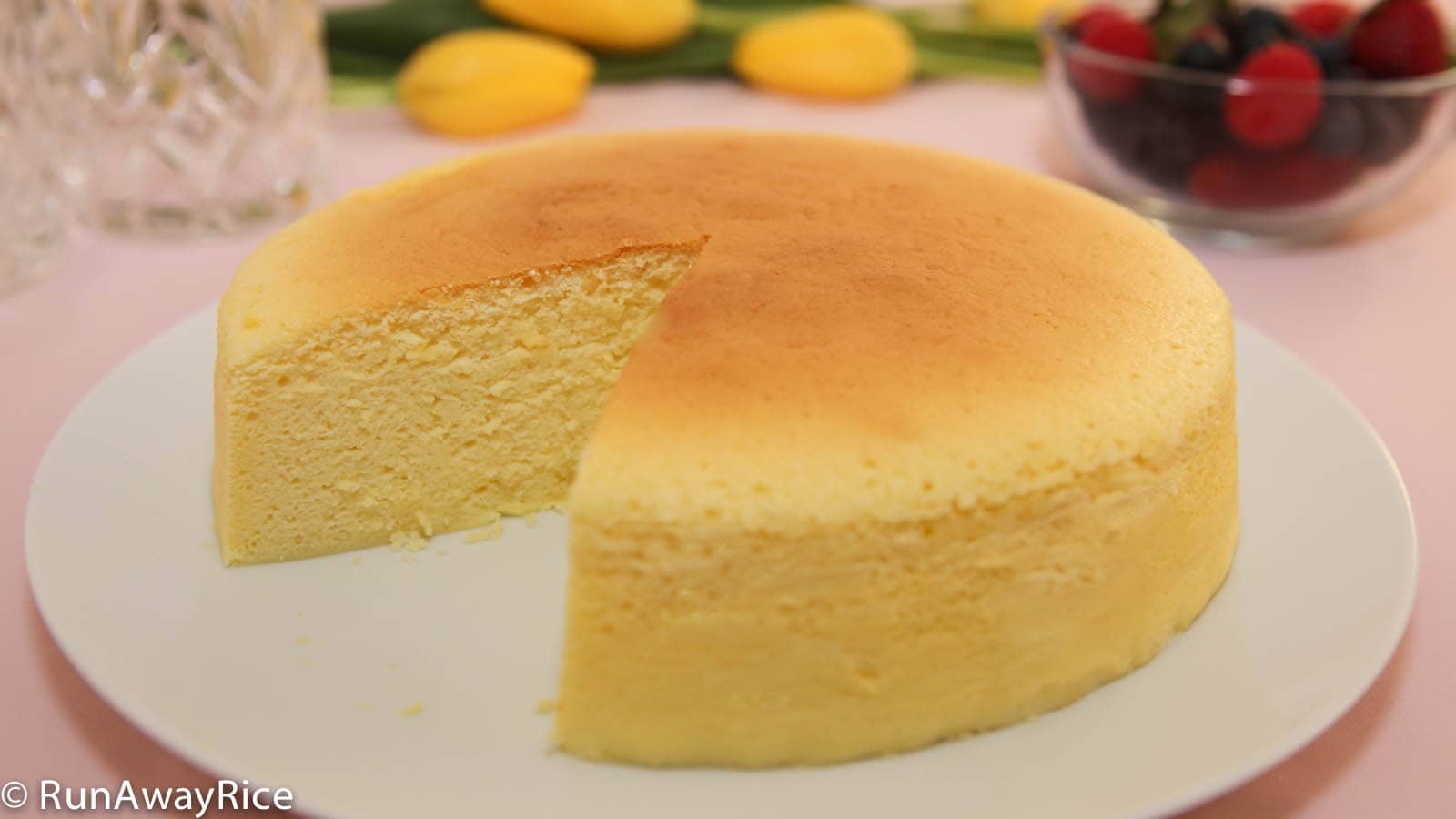
Be sure to fold the egg whites into the batter. Do not beat or mix vigorously as this will deflate the egg whites. (If you’re not familiar with the fold technique, check out how I do it in the video.)
As oven temperatures vary, check to see if the cake is done (by using a toothpick) after 1 hour of baking. Then bake the cake until the top is golden brown. This is one recipe where over-baking the cake is ok. You won’t ruin the cake! Depending on your oven it may take up to 1 1/2 hours. Again, this is just fine.
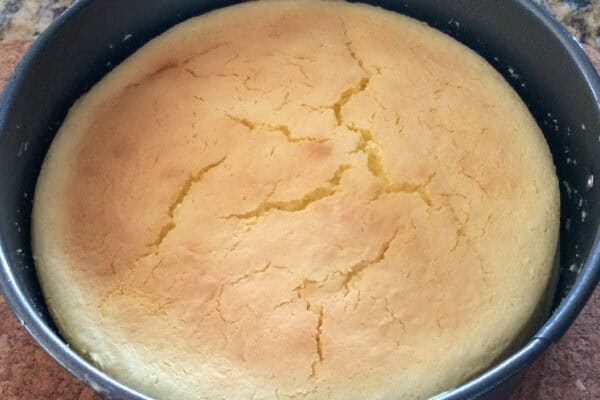
If your cake cracks on top, the heat is too high or the cake is too close to the heating element. Make note of this and adjust these things the next time.
The Cotton Cheesecake will shrink (about 1/2 inch or so) after cooling so please don’t despair. Leaving the cake in the oven after it’s done baking helps to minimize some of the deflating.
Refrigerate the Cotton Cheesecake for at least 4 hours before eating. The cold air sets the cream cheese and greatly improves the flavor and texture.
Store any remaining cake in the refrigerator for up to 1 week. To freeze, wrap the cake securely with plastic wrap and then a layer of foil. Freeze for up to 3 months.
✨✨I just shared a post on the most common challenges with making Cotton Cheesecake / Japanese Cheesecake and I explain all the details with pictures of my past frustrations. If you’re new to making this cheesecake or have made it without much success, check out the post before starting the recipe!
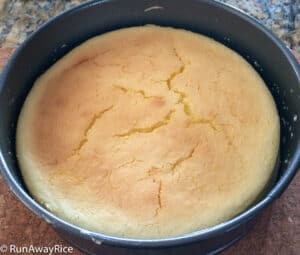 Cotton Cheesecake Challenges: Deflation, Cracks, and Water Bath Issues
If you enjoy this Cotton Cheesecake / Japanese Cheesecake recipe, you may also like:
Chocolate Cotton Cheesecake / Japanese Cheesecake
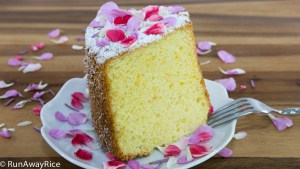
Orange Chiffon Cake with Edible Flowers
Cotton Cheesecake / Japanese Cheesecake
Ingredients
5 large eggs, at room temperature
1/4 tsp cream of tartar
1/2 cup sugar, divided
8 oz cream cheese, at room temperature
1/2 cup low-fat milk
1/4 cup unsalted butter, at room temperature
1 Tbsp lemon juice
1/4 cup all-purpose flour
2 Tbsp corn starch
Directions
Line the bottom and side of the springform pan with parchment paper. Wrap the springform pan with several sheets of foil, sealing it completely.
Fill a large baking pan halfway with water. Place it in the oven on the lowest rack. Preheat the oven to 315 F (157 C).
Separate the eggs and place the egg whites into a mixing bowl and the yolks into a measuring cup.
Beat the egg whites on Low speed for 30 seconds. Increase the speed to Medium Low and beat for another 30 seconds or until foamy. Add the cream of tartar. Increase the speed to Medium High and beat until the egg whites just start to thicken. Add 1/4 cup sugar gradually. Continue beating until the egg whites reach the soft peaks stage (approximately 3 minutes using a stand mixer).
In a separate bowl, add the cream cheese and milk. Mix on Low speed until creamy and smooth (approximately 2-3 minutes). Add the butter, remaining 1/4 cup sugar and lemon juice and beat for 1 minute. Add the flour and corn starch and mix for another minute. Finally add the egg yolks and mix for 1 more minute. Strain the batter using a sieve.
Add 1/3 of the egg whites and gently fold into the batter until mostly incorporated. Add another 1/3 and gently fold. Add the remaining 1/3 and gently fold.
Pour the batter into the lined springform pan. Spread the batter evenly into the pan and smooth out the top using a spatula. Holding the side of the pan, gently lift and drop the pan on the counter about 6 times to remove any big air bubbles.
Place the springform pan into the water bath and bake the cake for 1 hour and 10 minutes. Check the cake for doneness by inserting a toothpick into the center of the cake. (It should come out clean.) Bake the cake for an additional 10-15 minutes to brown the top.
Turn off the oven, open the oven door slightly (about 2-3 inches) and let the Cotton Cheesecake cool in the oven for 1 hour.
Remove the Cotton Cheesecake from the pan. Place on a plate and refrigerate for at least 4 hours.
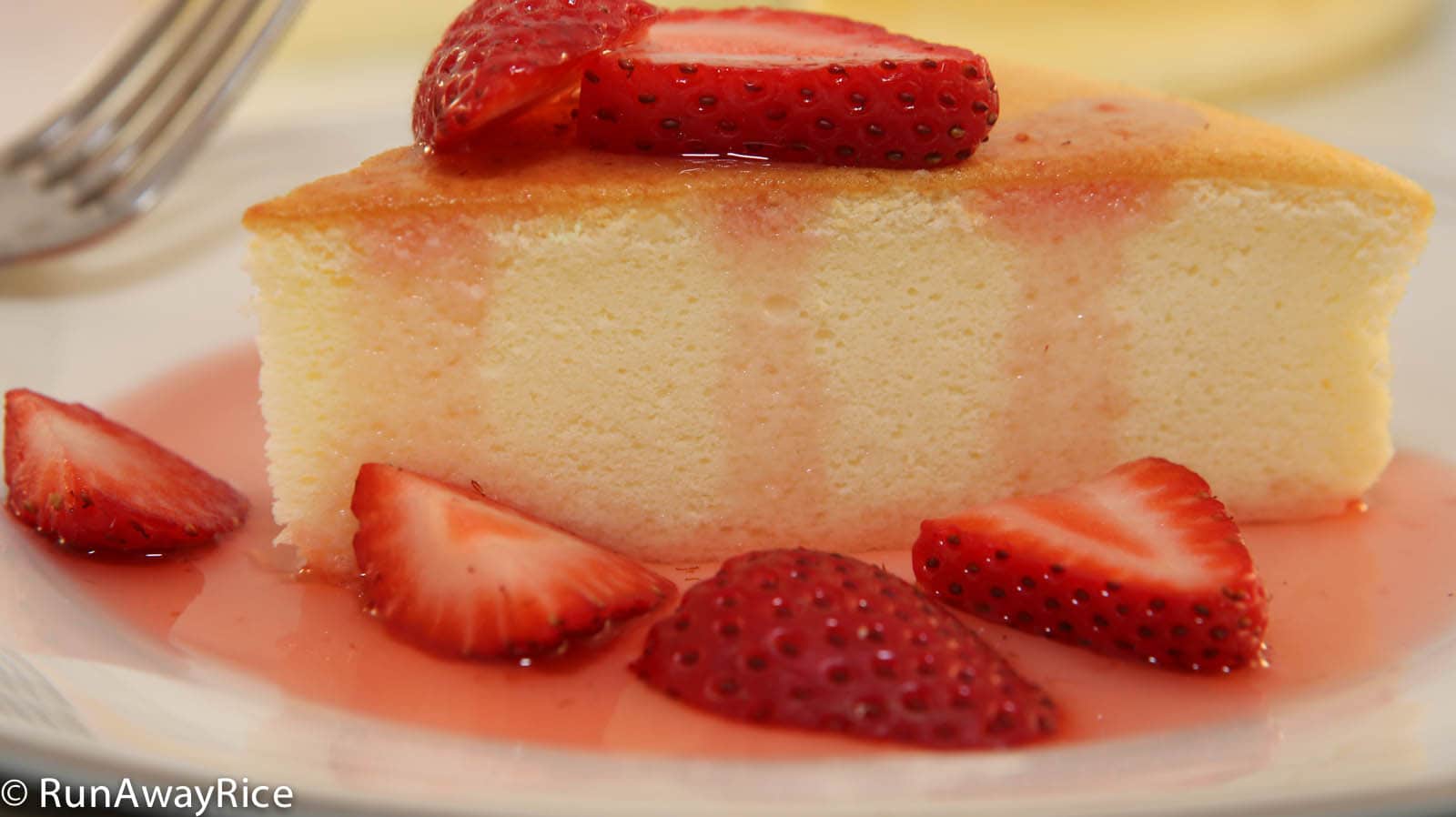
Serve with fresh fruit, fruit puree, chocolate sauce, whipped cream, etc.
Cover and refrigerate any remaining portions. Enjoy the Cotton Cheesecake within the week.
Yields: 8 servings

Cotton Cheesecake / Japanese Cheesecake
Cotton Cheesecake / Japanese Cheesecake is my new favorite dessert and after you try this recipe, it will become your favorite too. It's the perfect combination of sponge cake and cheesecake in both taste and texture. What I love about this scrumptious cake is it's not overly sweet as some cakes can be. The combination of fluffy cake with slightly tart cream cheese is absolutely heavenly. I hope you enjoy the recipe as much as I do. Please note this recipe can be a bit tricky. Watch the video and follow the steps exactly. Happy Baking!
Ingredients
- 5 large eggs , at room temperature
- 1/4 tsp cream of tartar
- 1/2 cup sugar , divided
- 8 oz cream cheese , at room temperature
- 1/2 cup low-fat milk
- 1/4 cup unsalted butter , at room temperature
- 1 Tbsp lemon juice
- 1/4 cup all-purpose flour
- 2 Tbsp corn starch
Bakeware
- 8 inch round springform pan
Instructions
-
Line the bottom and side of the springform pan with parchment paper. Wrap the springform pan with several sheets of foil, sealing it completely.
-
Fill a large baking pan halfway with water. Place it in the oven on the lowest rack. Preheat the oven to 315 F (157 C).
-
Separate the eggs and place the egg whites into a mixing bowl and the yolks into a measuring cup.
-
Beat the egg whites on Low speed for 30 seconds. Increase the speed to Medium Low and beat for another 30 seconds or until foamy. Add the cream of tartar. Increase the speed to Medium High and beat until the egg whites just start to thicken. Add 1/4 cup sugar gradually. Continue beating until the egg whites reach the soft peaks stage (approximately 3 minutes using a stand mixer).
-
In a separate bowl, add the cream cheese and milk. Mix on Low speed until creamy and smooth (approximately 2-3 minutes). Add the butter, remaining 1/4 cup sugar and lemon juice and beat for 1 minute. Add the flour and corn starch and mix for another minute. Finally add the egg yolks and mix for 1 more minute. Strain the batter using a sieve.
-
Add 1/3 of the egg whites and gently fold into the batter until mostly incorporated. Add another 1/3 and gently fold. Add the remaining 1/3 and gently fold.
-
Pour the batter into the lined springform pan. Spread the batter evenly into the pan and smooth out the top using a spatula. Holding the side of the pan, gently lift and drop the pan on the counter about 6 times to remove any big air bubbles.
-
Place the springform pan into the water bath and bake the cake for 1 hour and 10 minutes. Check the cake for doneness by inserting a toothpick into the center of the cake. (It should come out clean.) Bake the cake for an additional 10-15 minutes to brown the top.
-
Turn off the oven and open the oven door slightly (about 2-3 inches) and let the Cotton Cheesecake cool in the oven for 1 hour.
-
Remove the Cotton Cheesecake from the pan. Place on a plate and refrigerate for at least 4 hours.
-
Serve with fresh fruit, fruit puree, chocolate sauce, whipped cream, etc.
-
Cover and refrigerate any remaining portions. Enjoy the Cotton Cheesecake within the week.
Recipe Video
Notes, Tips & Tricks
- As the cream cheese, eggs and butter need to be at room temperature, advanced planning is required. About 2 hours before making the cake, remove the cream cheese and butter from the refrigerator. About 1 hour before take the eggs out of the fridge. The cream cheese and butter should be soft and spreadable for this recipe. If these ingredients are not quite ready, pop them in the microwave on Low power for about 15-20 seconds.
- Eggs are easiest to separate when they are cold. Egg whites are best beaten at room temperature to achieve the fluffiest texture. Separate the eggs while they are cold and then let them come to room temperature as you prep the remaining ingredients for the recipe.
- Use an 8 inch by 3 inch round springform pan. Line the pan so the parchment paper extends about 2 inches above the pan. The parchment paper wall provides support since the cake rises to about 3 inches tall during baking. Keep the paper to no more than 5 inches tall. Too much paper will prevent the top of the cake from browning nicely.
- The water bath is essential for keeping the cake moist. As the cake bakes for longer than the typical cake, the water bath is crucial. Additionally, the water bath insulates the cake and allows it to cook at a consist temperature. These factors are important for achieving the fluffy and moist texture for the cake.
- Be sure to fold the egg whites into the batter. Do not beat or mix vigorously as this will deflate the egg whites. (If you’re not familiar with the fold technique, check out how I do it in the video.)
- As oven temperatures vary, check to see if the cake is done (by using a toothpick) after 1 hour of baking. Then bake the cake until the top is golden brown. This is one recipe where over-baking the cake is ok. You won’t ruin the cake! Depending on your oven it may take up to 1 1/2 hours. Again, this is just fine.
- If your cake cracks on top, the heat is too high or the cake is too close to the heating element. Make note of this and adjust these things the next time.
- This cake will shrink (about 1/2 inch or so) after cooling so please don’t despair. Leaving the cake in the oven after it’s done baking helps to minimize some of the deflating.
- Refrigerate the cake for at least 4 hours before eating. The cold air sets the cream cheese and greatly improves the flavor and texture.
Nutrition FactsCotton Cheesecake / Japanese CheesecakeAmount Per ServingCalories 265 Calories from Fat 162% Daily Value*Fat 18g28%Saturated Fat 10g63%Cholesterol 149mg50%Sodium 138mg6%Potassium 113mg3%Carbohydrates 19g6%Sugar 14g16%Protein 6g12%Vitamin A 720IU14%Vitamin C 0.7mg1%Calcium 63mg6%Iron 0.8mg4%* Percent Daily Values are based on a 2000 calorie diet.
Want to learn more about making Cotton Cheesecake / Japanese Cheesecake and the common challenges? Check out this post where I detail the most common frustrations and how to fix them.
Cotton Cheesecake Challenges: Deflation, Cracks, and Water Bath Issues


Can you use tapioca flour instead? Also can you use 2% milk instead of non fat milk?
Thanks this looks amazing!
Hi Bella,
Tapioca flour is too sticky. If you’re looking for a gluten-free options, try coconut, almond or rice flour. Non-fat milk is just fine. Good Luck!
Great recipe.
I just want to make a comment about the order of steps. If you switch steps 4 and 5 you can make better use of the stand mixer. You have to strain the batter using a sieve anyway so why not do that first into a different bowl, quickly rinse the mixer bowl and then proceed to beat the egg whites. I noticed that you used 2 different mixers in the video. Would save on clean up and time.
Hi Lewis,
That’s a great tip! Thanks for sharing. I am all for less things to wash and put away! 🙂
Hi Trang,
Can you please advise on how much matcha powder should I add when making this recipe a matcha flavoured one and how much cocoa powder for a chocolate flavoured cheesecake? Thanks!
And do I need to omit the lemon juice if doing matcha/chocolate cheesecake? Thanks again
Hi Liz,
No, keep the lemon juice in the recipe. Enjoy!
Hi Liz,
I recommend starting with 1 Tbsp cocoa powder or matcha powder. As cocoa and matcha powders have varying levels of bitterness and strengths, you can always add more to suit your tastes. You may also want to add a bit more sugar to balance any bitterness. Good Luck and let me know how it goes for you.
Quick question, can you replace the flour with something gluten free?
Hi Amanda,
Any gluten-free product would be just fine. I’ve used rice flour, coconut flour, almond flour and corn starch. Good Luck!
Hello.is it nessary to use a water bath..I tried to make this recipe ..and it did not turn out…
My cake raise .but the buttom portion was eggy..
Please tell me what am i doing wrong ????
Hi Janice,
Try putting the water bath on a separate oven rack instead of the cake pan inside the bath. See if this helps the bottom portion not get “eggy”. Good Luck!
Hi Trang,
I’m so happy I found this recipe (and your site–homemade moon cakes!!?). I made this the other day by hand since I don’t have an electric mixer; thank goodness my sister was there to help. We liked it so much we’re just waiting for our next grocery trip to stock up on some ingredients before trying again!
I just had a couple questions for next time. First, I read in another comment that you can substitute the cream of tartar with lemon juice. Will this work with bottled (I.e., not fresh) lemon juice as well? (We ended up not adding anything to stabilize the whites.) Second, the bottom of our cake turned out soggier than the top. Since we baked in a pie pan, it’s unlikely to have been due to seepage from the water bath. My best guess for the cause is condensation between the cake and the pan, since we left it to cool in the oven for closer to 2 hours. Do you have any other suggestions for the cause or how to prevent it from happening next time? Finally, if I wanted to make a chocolate version, what modifications would you suggest?
Thank you so much for sharing this recipe, I can’t wait to try some of the others on your site!
Hi Claire,
I am glad to hear you enjoyed this recipe. Regarding your first question, bottled lemon juice will work to stabilize the egg whites. Water spilling into the pan and condensation would make the cake soggy. If you don’t have a taller pan, use less water so the water doesn’t boil into the pie pan. Also after baking, remove the cake from the water bath and also remove the foil. Allow the cake to cook in the oven as directed. This should help with any condensation. To make a chocolate version, add 1 Tbsp cocoa powder when you add the flour and corn starch. Adjust the chocolate flavor to your taste, add a bit more for a richer, more chocolate taste. Let me know how it turns out for you and your sister the next time around. Enjoy!
Thank you for your help! The cheesecake came out even better the second time around. Thank you for sharing the recipe. This has become one of our favorite desserts!
You’re welcome. So glad to hear you were successful on the second try! 🙂
Hi Trang,
Thanks for the recipe. I followed almost closely the steps in your video. After waiting patiently for 4 hours when I sliced the cake, the bottom half of the cake was more ‘custard’ than fluffy. What could have gone wrong?
Hi Joe,
It sounds like some water may have seeped into the cake or residual steam made the bottom of the cake moist.
Hi Trang,
I have the same problem with the bottom of my cake turning into a custard, how can I prevent this from happening?
Thanks
Trang
Hi Trang,
Assuming the cake pan is well-sealed and no water is seeping in causing the lower portion of the cake to get wet and custard-like: after the cake is done baking, remove from the water bath and then remove the foil around the pan. Allow the pan to cool in the oven. Good Luck!
Oh this cake is to die for!!! So light andnot sweet but just right and airy and lovely, I have made it twice thus far and always look forward to making ;anohter one. It is definitely my favorite. Thanks. SuzAnne.
Hi SuzAnne,
I am thrilled to hear you like the Cotton Cheesecake! Great job to you for making it successfully. Appreciate you stopping by to share your results. 🙂
Hi Trang,
We’re planning to make this this weekend. Do you have to spray the parchment paper lined spring form pan with anything or just the parchment paper is good?
Thanks
H Anh,
There’s no need to spray the parchment paper. Good Luck and let me know how it turned out. 🙂
Why my cotton cheese cake appear more dense than the TOP?
Hi Jennifer,
It’s probably due to steam or water seepage moistening the bottom of the cake.
Hi Trang,
Just small question, after turn off the oven and the cake is still stay in the bath for 1 hour or out of the bath.
Thanks
Hi M,
I leave the cake in the water bath. If you’re concerned about water seeping into the cake you can remove from the water bath. Good Luck!
Hey ,, 8 oz of cream cheese how many gram please?
Hi Marya,
I just added a Kitchen Calculator to the side bar for conversions. 8 oz is 227 grams. Give it a try! 🙂